Coaching psychology
One to one, with an end date agreed at the start.
Coaching psychology is not counselling and it is not financial advice. It is a piece of work with a defined shape, drawing on published research combined with what feels right in the room. Most people come for somewhere between one and ten sessions. Here is how it tends to unfold.
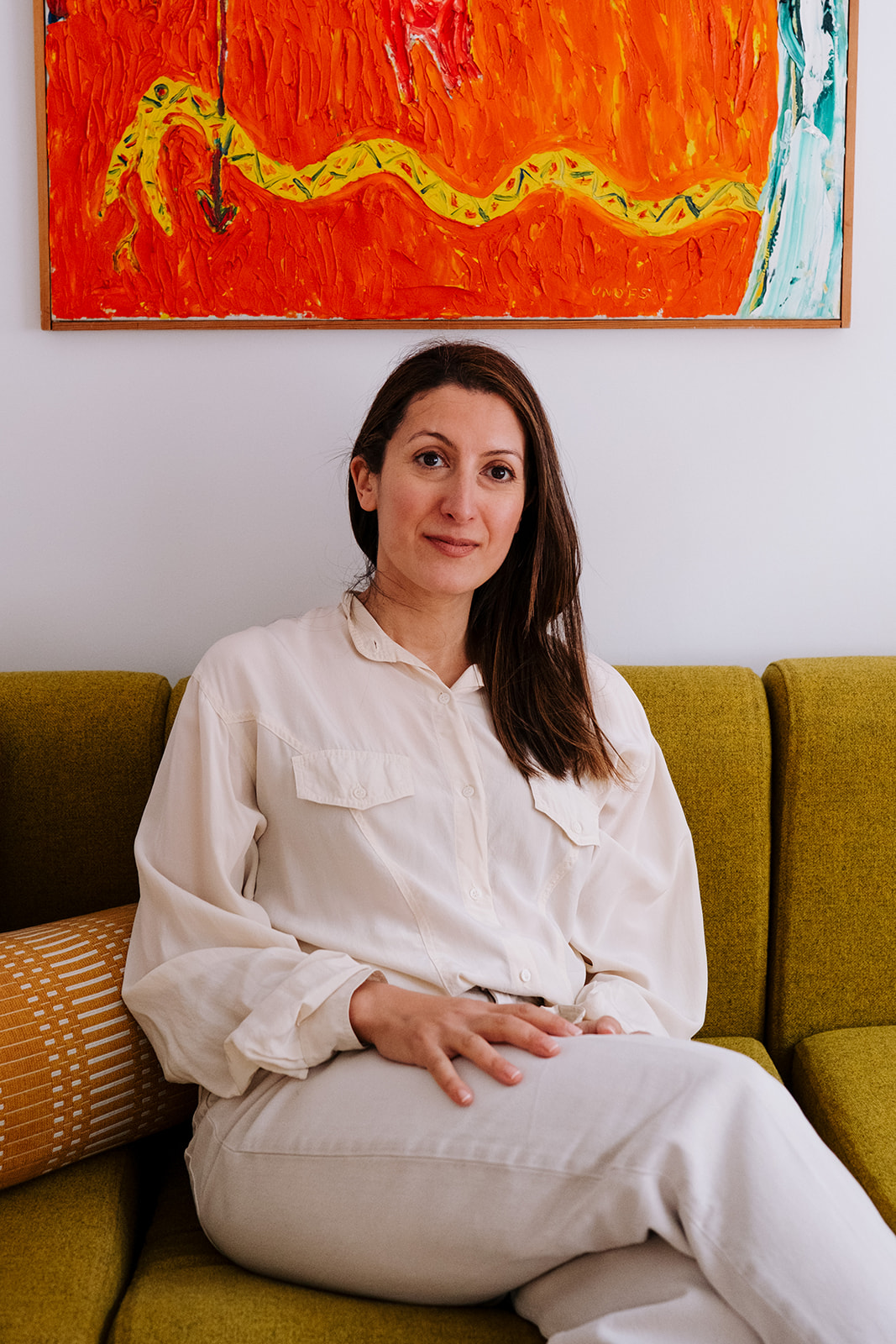
Sarah Miloudi, trainee coaching psychologist, working towards chartered status with the British Psychological Society
What happens
A first conversation.
One hour on a video call. You describe what is actually going on, and I tell you honestly whether I am the right person for it.
Our focus.
We define what you would like to work on, and then say it in your own words.
The sessions.
Usually between one and ten. Pace depends on you, but weekly, fortnightly or monthly is typical. Occasionally a few sessions in a short burst is the right answer. Each one ends with something specific to do before the next.
Afterwards.
The work has an end date, agreed at the start, and you leave with something you can use without me.
The practical part
- Where
- Online.
- How long
- Let us discuss that together.
- What it costs
- The first hour is free, and £100 per session after that. Pro bono places are available, funded by my regular fee.
- When you could start
- Often right away.
I achieved most of my goals and the pace of sessions was great. But the commitment, support and belief shown in me was most important.
Questions
Is this counselling?
Does my partner take part?
What happens afterwards?
What if I am not sure this is a big enough problem to bring to someone?
One hour. If I am not the right person, I will say so and tell you who I think is.